

MNRE PM KUSUM Scheme: Empowering Farmers with Solar Energy and Income Opportunities
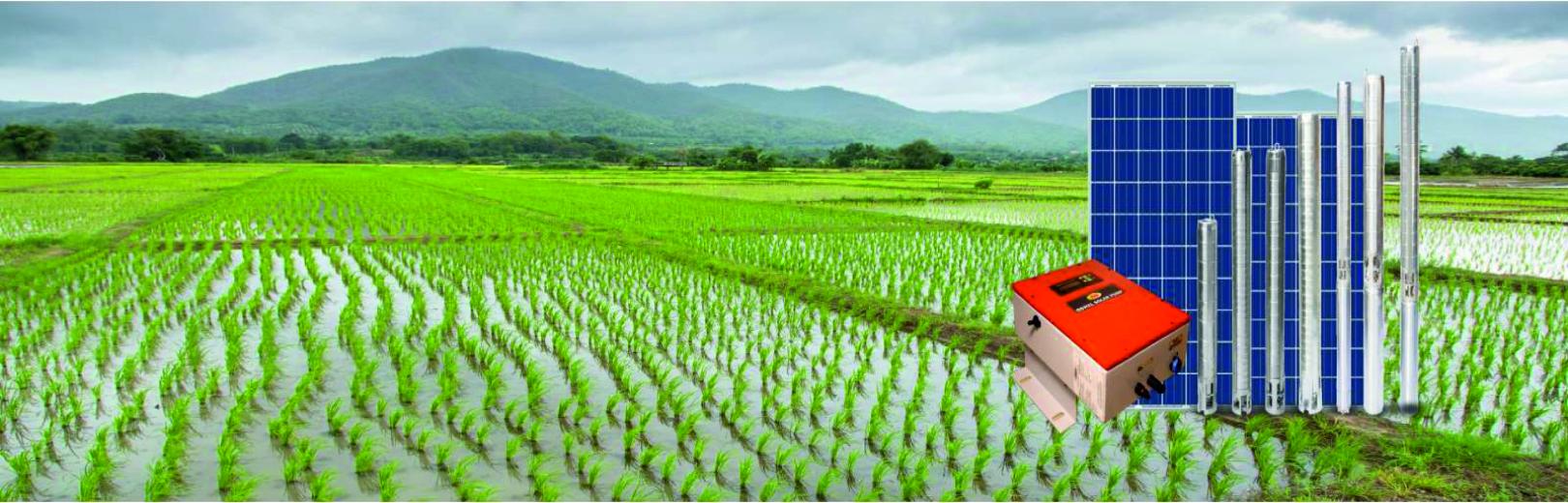
The PM- Kusum scheme, which was granted executive concurrence by the Ministry of New and Renewable Energy( MNRE) in March 2019, was accompanied by guidelines formulated in July 2019. This program, introduced by MNRE, aims to establish solar pumps and other innovative power shops throughout the country as part of the KUSUM Scheme or Pradhan Mantri Kisan Urja Suraksha evam Utthaan Mahabhiyan Yojana, with the aim of boosting the income in India.
What is the PM KUSUM Scheme?
The Pradhan Mantri Kisan Urja Suraksha Evam UtthaanMahabhiyan Yojana (KUSUM) scheme aims to assist farmers in cultivating their crops by providing subsidies for the installation of solar irrigation pumps. Under this program, farmers are eligible to receive a 60% subsidy for setting up tube wells and pump sets, while the government will provide 30% of the total cost as a loan. To increase the income of farmers and provide alternative options for irrigation and reduce the dependence on diesel in the agricultural sector, the Government of India launched the Pradhan Mantri Kisan Urja Suraksha evamUtthaanMahabhiyan (KUSUM) Yojana. The scheme entered executive blessing in March 2019, and guidelines were formulated in July 2019.. The Ministry of New and Renewable Energy (MNRE) introduced the program to establish solar pumps and other innovative power plants throughout the country under the PM-Kusum scheme. The PM- KUSUM scheme, launched by the Government of India, is a significant action that aims to give clean energy to further than3.5 million growers by installing solar- powered husbandry pumps and up to 10 GW of distributed solar systems. The scheme aims to establish30.8 GW of solar capacity by December 31, 2022, and has allocated INR340.35 billion(US$4.65 billion) in fiscal backing. This makes it one of the largest projects of its kind in the world, with the potential to revolutionize the agricultural sector and improve the livelihoods of millions of farmers across the country.
PM KUSUM YOJANA’S Objective
The Pradhan Mantri KUSUM Yojana enables farmers, planter associations, panchayats, and collaborative societies to apply for a solar pump. The scheme’s overall cost is divided into three factors, and the government provides finance to farmers in every condition. Farmers are eligible to receive a 60 percent subsidy from the government, and they are only required to contribute 10% of the overall project cost. Moreover, farmers can sell the electricity generated by solar panels and earn additional income that can be utilized to start a new business. This provides an opportunity for farmers to have an additional source of income.
Components of PM KUSUM YOJANA
Component A
Under the PM- KUSUM scheme, individual farmers, groups of farmers, cooperatives, panchayats, Farmer Producer Organizations(FPO), and Water User Associations( WUA) are eligible to establish solar energy- based power plants SEPP) with a capacity ranging from 500 kW to 2 MW.. These entities are collectively referred to as Solar Power Generators (SPGs). SPGs can develop the SEPP on their own or through a developer or local DISCOM if they cannot arrange the required equity. DISCOMs will publish sub-station wise surplus capacity that can be connected to the grid and will invite interested parties to apply for setting up solar energy plants.
Component B
The PM-KUSUM scheme enables individual farmers in off-grid areas to install standalone solar agriculture pumps with a capacity of up to 7.5 HP. The government provides a capital subsidy (CFA) of 30% of the benchmark cost or tender cost, whichever is lower. Additionally, the state government provides a subsidy of at least 30%, and the farmer is responsible for the remaining cost, which can be financed through bank loans. In Sikkim, Mizoram, Jammu & Kashmir, Himachal Pradesh, Uttarakhand, Lakshadweep, and A&N Islands, there is an introduction of an advanced CFA of 50 of the standard cost or tender cost and wherever it is less, it will be provided by the respected state government. The state government provides a minimum subsidy of 30%, and the remaining 20% will be borne by the farmer.
Component C
The aim of the Pradhan Mantri Kisan Urja Suraksha Evam UtthanMahabhiyan (PM-KUSUM) scheme is to replace 1 million conventional agriculture pumps with solar-powered ones, while also providing assistance to farmers to solarize their existing grid-connected pumps. The excess solar power generated by these pumps will be sold to DISCOMs at a predetermined price. This solar energy will then be utilized for agricultural irrigation purposes, reducing farmers’ dependence on conventional sources of energy and lowering their energy bills.
What are the benefits of the KUSUM Scheme?
The Pradhan Mantri Kisan Urja Suraksha evamUtthaanMahabhiyan (PM-KUSUM) scheme provides several benefits, including:
Reduced carbon Emigrations: The use of solar power in husbandry reduces the carbon footstep of the agriculture industry, routing to a cleaner and well-conditioned atmosphere.
Lower energy costs: Farmers can significantly lower their energy costs by using solar-powered pumps instead of diesel-powered ones.
Increased income: By selling surplus solar power to DISCOMs, farmers can earn additional income, leading to an increase in their overall earnings.
Improved agricultural productivity: With reliable and sustainable power supply, farmers can irrigate their fields more efficiently, leading to improved agricultural productivity.
Reduced dependence on non-renewable sources of energy: The use of solar energy in agriculture reduces the dependence on non-renewable sources of energy, leading to a more sustainable and self-sufficient farming industry.
Increased access to electricity: The scheme provides electricity to farmers who do not have access to the power grid, improving their quality of life and standard of living.
Employment opportunities: The installation and maintenance of solar-powered pumps and power plants create employment opportunities for skilled and unskilled workers in the renewable energy sector.
Key Benefits of KUSUM Yojana
- By providing a reliable and stable source of income, the PM KUSUM scheme benefits farmers without exposing them to any risks.
- The scheme helps to prevent overexploitation of groundwater resources by enabling farmers to use solar power for their irrigation needs.
- The availability of electricity round the clock is crucial for farmers in running their irrigation pumps and carrying out other farm-related activities, and the PM KUSUM scheme guarantees that.
- The implementation of the PM KUSUM scheme can contribute to reducing the carbon footprint of agriculture by promoting the use of renewable energy sources, such as solar power.
- By reducing farmers’ dependence on government subsidies for farm power, the PM KUSUM scheme can alleviate their financial burden and on the other hand they are providing farmers with best product in subsidized range.
To discuss a requirement, call toll-free 1800-120-1882 or email [email protected], or use our contact form.